Archive | Autism RSS feed for this section

This is the problem with acceptance

Yesterday I wrote “This is the problem with awareness” so I think it’s only fair that I flip to the other sign of the coin and write about the problem with acceptance.

Acceptance Paradox

There is this “place” that people can reach when they have total acceptance. It’s a place of knowing who they are and being fine with it.

It’s called the Acceptance Paradox. You can read more about it here: http://www.creativitypost.com/create/the_acceptance_paradox

An excerpt from it, which explains how it goes:

“Instead of defending yourself against your own self-criticisms. You don’t try to build yourself up or fight back. Instead, you do just the opposite: You simply accept the fact that you are broken, imperfect, and defective. You accept your shortcomings with honesty and inner peace. The surprising result is that you can often gain invulnerability when you make yourself completely vulnerable and defenseless.”

PS, try not to read too much into the “broken, imperfect and defective” parts. This was written about humanity in general, not about autism or any other disorder/disability.

Now, in this article and as it is explained is that you make yourself invincible by no longer caring what anyone says about you.. that you accept you for you, for better or worse and you are completely at peace with that.

What I’ve seen of this though, is not always so peaceful and wonderful.

Acceptance vs Unwillingness to Change

I want to talk about etiquette and manners… one of Temple Grandin’s favorite topics.

Taken from http://www.msnbc.msn.com/id/35150832/ns/health-mental_health/:

“The other thing is, teach these kids manners. I was raised in the ‘50s and ‘60s, and manners were drilled into me. I see kids [on the spectrum] today that have no manners. That’s going to hurt them. You can’t punish a child who is acting out because of sensory overload. But it’s unacceptable to see kids throwing things and slapping people. I see kids with Asperger’s [a mild form of autism] who can’t hold a job because they are constantly late. Teach kids to use an alarm clock. This is common sense and sometimes we forget about common sense. Autism is used too much as an excuse for bad behavior.” ~ Temple Grandin

To give a couple of examples:

During a conversation, sometimes an autistic can seem uncaring or rude due to a straight forward or literal response in a conversation. But autistics, like anyone, can learn to “think before you speak”… it may just be a bigger struggle. But that’s not even required so long as a simple apology is offered should those responses actually offend someone.

I’ve found several instances where, instead of an apology or explanation, the response is more so a dismissal of the other person’s feelings… that the person has to just accept the response as it is perceived (rude and uncaring) because the person who said it is autistic. They’re not allowed to be offended, they must have acceptance.

In this scenario, the autistic has acceptance, in that they may be perceived that way but they don’t care. And acceptance from the person they are conversing with in that they have to just not be offended no matter how rude the response may have seemed.

In this form of Acceptance Paradox, there is no real inner peace to be achieved. One person is offended while the other person thinks they should just get used to it.

An apology or explanation is certainly not always warranted… such as for a meltdown. Imagine a gathering at your house and when things get to be too much, sensory overload takes over and someone blows up, makes a scene and leaves. A short while later, they return and the gathering continues.

Is an apology necessary? Well, it shouldn’t be. If people are accepting, they simply know that the person needed a break for a bit. Still though, an apology does go a long way towards increased acceptance.

Imagine the person returns and says “I’m really sorry for earlier… I was just at the end of my rope, needed a minute… I’m ok now. I hope I didn’t disturb the party.” Everyone would be more than accepting… in fact, if anyone there was struggling with accepting such a scene, they’d now be far more apt to accept it now and in the future should it happen again.

Manners… they go a very long way.

Acceptance is Broken

There really should be no limits to acceptance, in a perfect world but really, there are.

This is humanity we’re talking about… autism or not. We all talk before we think, we all get offended sometimes, we all have to say sorry sometimes. And therefore, there are some limits placed on acceptance.

Just like respect, I can respect a person that I disagree with… even one that says or does something that I find to be in poor taste. I still respect them. I still accept them. I just don’t agree with what they said or did. That’s a limitation of my acceptance. Can a person be fully accepting and yet not accepting in certain situations at the same time?

Speaking of respect, it goes both ways. In the earlier example, person A is inadvertently rude to person B… and person B has to just accept it, without an apology? Let’s flip it around. If person B is offended and would like an apology… if there is to be mutual respect and acceptance, isn’t it now up to person A to be accepting?

Sure, person A could still refuse to apologize and insist that person B just be accepting of their unintentional rude ways… but that also means that person A has to now accept that person B is offended, which again, puts you into a paradox. How can you insist that a person accept you for being rude if you accept them for being offended by it?

In this case, acceptance is broken.

paradox

A Paradox

Speaking Personally

If my children offend someone, they say sorry. My children know not to be mean. My children know to say please when they ask for something.

If my children grow up to become bullies, I hope and pray that someone knocks them on their butt and shows them just how wrong it is.

I accept my children for who they are and I know they will do great things with their life. One has autism, one does not. I don’t care, it doesn’t matter. They’re both awesome. And I will do everything in my power to ensure that they know they’re awesome and never let what anyone says ever take that away.

But if either of them is ever lacking in manners, they’ll hear about it.

Because that, I won’t accept.

Comments { 10 }

This is the problem with awareness

Actually, there’s several issues with awareness but for the sake of this being just a simple blog post, let’s stick with the main problem, as I see it:

Awareness breeds fear.

Childhood Awareness

So what happens when a child becomes aware that there are monsters in the world? Real or fictional doesn’t matter, they’re children.

When a child become aware that monsters exist in tales and bed time stories… they fear them. Can you blame them? They’re monsters. But not all monsters are created equal. It could simply be a “bad man” in the story.

They don’t know what the monsters look like, sound like, feel like…  they just know to be scared.

When a child becomes aware of thunder and lightning, quite often, they will fear it. They don’t know what is making that noise but they know to be scared… because they’re aware.

When a child becomes aware of an aunt that has a mustache… well, you get the idea.

The point is, it’s an instinct that usually doesn’t need to be taught or developed… people fear what they are aware of, but do not understand.

Adult Awareness

The proof speaks for itself through out history with differences in races, sexuality… even geography!

If you were to take all of the movies/stories based on aliens and work out the numbers, I would wager that the ones where aliens are evil and want to kill us all far out weigh the stories where the aliens are friendly and all is good in the universe.

Granted, the evil killing aliens makes for a better story and will earn more money but still, the point is, we fear alien invasion because we’re aware but do not understand.

Some adults learn inner peace and work on just being understanding and accepting before the fact… to practice acceptance before awareness. But the people that can do that are very very rare.

Disability Awareness

It’s funny how far understanding can go really. Do we live in fear of cancer or AIDS? Well, sort of but I wouldn’t say we look down on anyone that we meet that has them. Why is that? They’re deadly diseases. We’re certainly aware of them.

Thanks to some very prominent and effective information campaigns over the years, most people have a pretty basic understanding of them. Cancer is not contagious, it happens or it doesn’t. You get regular checks and do checks yourself and if you catch it early enough, and depending on the type, you could be fine.

AIDS, sexual contagion, use protection… yatta yatta yatta. I won’t bore you. You know this stuff.

Now, take stuff that isn’t a disease. That isn’t deadly. That is… mostly unknown.

This is the stuff that shouldn’t scare anyone. But it does. And why? Because it’s not understood.

Whether it’s Down Syndrome, Autism, ADHD… why would these things cause others to fear the person that has them?

Well, it’s because people are aware of Autism, but they don’t have a clue what it is, what it does or how to recognize it. It’s just… out there. They know it’s out there. Thanks to awareness campaigns.

See the difference? Deadly diseases get information campaigns on the signs, who to talk to, how it affects people… neurological disorders get awareness campaigns. They just tell you it’s out there… the end.

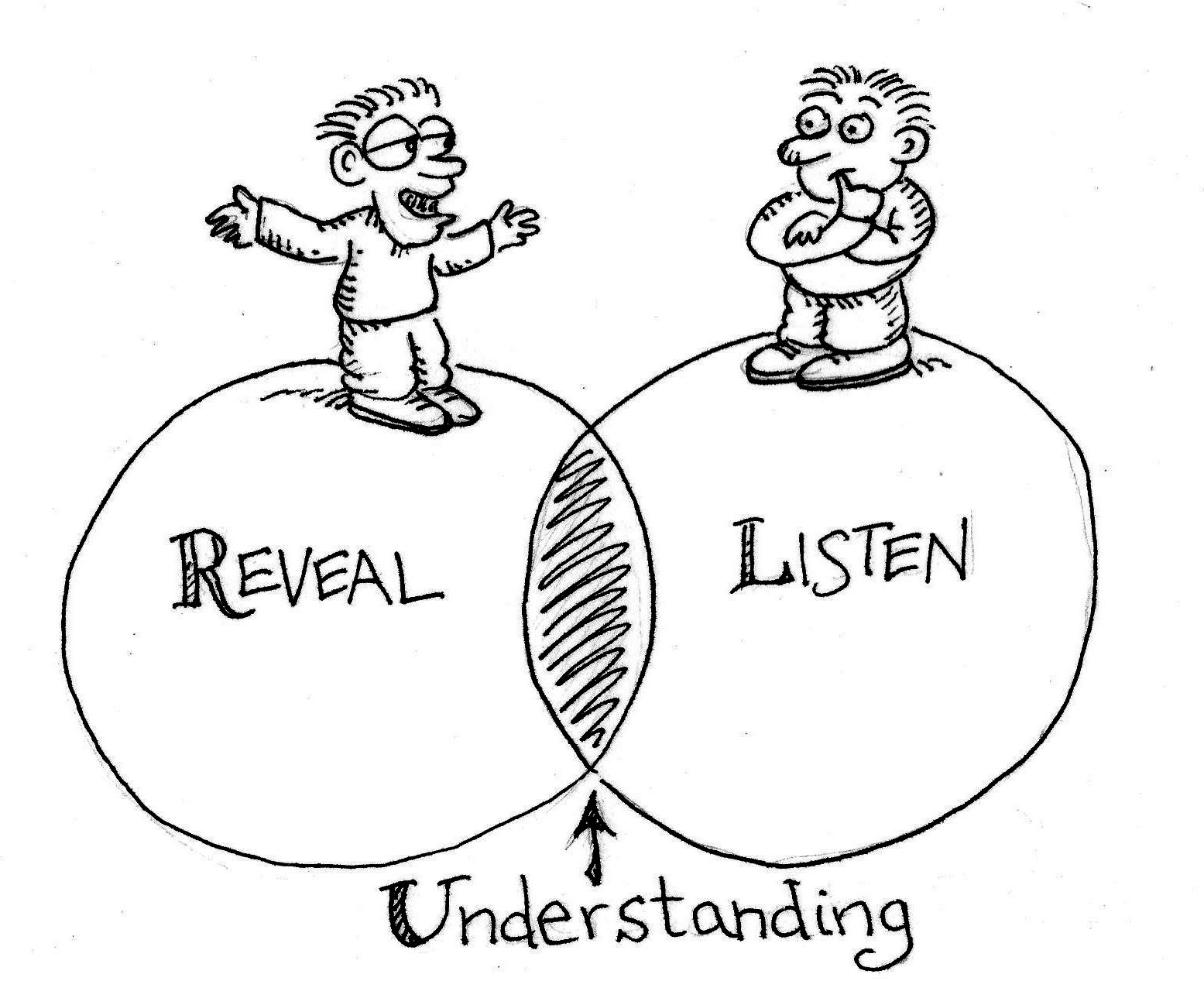
Awareness -> Understanding -> Acceptance

curiosity
I like to think of awareness as the first step. You can’t understand something if you are not even aware of it.

Now that most people are aware of it’s existence, the next step, which is where most of us struggle, is the understanding.

I think it’s time that people moved beyond awareness and stopped being afraid.

The thing is, a lot of people want for society to move straight on to acceptance of those with down syndrome, autism or any other disability and in a perfect world, this would be the ideal.

However, there is a natural path to these things.

First comes awareness, then there is understanding and finally, acceptance.

People are funny creatures like that.

People will fear what they do not understand (but are aware of) and they only accept a situation once they understand it.

That leaves us with the problem… how do we help society to understand?

Because I can assure you that until we figure that out, all this awareness will only result in fear and will only make moving on to acceptance that much more difficult.

Comments { 6 }

Free eBook for Autism Awareness Day – Autism Understanding and Acceptance!

For today only, April 2nd, Autism Awareness Day, I am going to give you the opportunity to download a copy of my ebook for free!

Autism Understanding and AcceptanceAutism Understanding and Acceptance

Written as an effort to move people beyond simply being aware to where they can truly understand autism, the people and the affect that autism can have on those people, hopefully to a place where there can be, finally, acceptance.

Steve Silberman, of NeuroTribes writes:

It’s full of intelligence, soul, heart, and compassion. It’s a wonderful gift to the community.

My favorite part was this, which is beautiful writing:

Acceptance is such a powerful thing… it’s far more than just believing the diagnosis… it’s empowering, it’s life skill building, it’s a source of pride, it’s a confidence booster, it’s enlightening…. Acceptance is not giving up. Acceptance is not saying something you don’t really believe. Acceptance is a place. It’s a moment in time. It’s a destination that will set you on an entirely new path, a beautiful path. It’s the end of negativity and the beginning of limitless possibilities. Acceptance is the door that you need to open… step through and close behind you. Move forward with your child, not against your child. Your child can be perfect. All you have to do is believe it. Because they are.

BRAVO!

Get it here!

Now, you too can read this book, free of charge, for today, April 2nd, Autism Awareness Day. Also, I encourage you to share this book with friends and family that may struggling to really “get it”. Perhaps this will help.

Download in the format you need: ePub, MOBI, PDF.

Should you like this book, please encourage others to pick it up. After today, it will no longer be free but it can be purchased for as little as $2.99 (you can name your price from $2.99 to $20 if you want) at:

http://www.leanpub.com/autismfather

All I ask for in return is one of the following:

  • Share this ebook with anyone that you feel may need it
  • If you enjoy this book and have the time, a short review (either on your site or on the leanpub page or in the comments on this page) would be appreciated
  • If you really like this book, any help with encouraging sales (after today) would go a long way to helping me support my own family.

I hope you enjoy the book. Thank you for your interest.

Comments { 2 }

Autism Awareness Month – Getting Started

So the month has begun… the month to bring Autism Awareness to the world. More so, to go beyond awareness and try to help people understand the people that have autism, help people understand how autism affects those people’s lives and most importantly, why they should want to know more about autism before they it comes time for them to need to know.

To start the month off, I thought I’d start with some straight forward information.

Facts

Blogs

Here are some blogs that I particularly enjoy and find to have very honest, accurate and even bold points of view, where you can and will learn a lot about autism, should you choose to read them.

News

Communities

Autism Understanding and Acceptance

Autism Understanding and Acceptance

My Request To You

I ask that you please take the time to read at least one article/story about autism that comes to you in your travels around the internet during the month of April and share it. Don’t just pick one at random though… pick one that looks like it may really move you or cause you to feel one way or another. Take the time to really read it… even if it’s just that one time.

And if it does move you, for good or bad, just so long as it makes you feel something… share it. Share it with your social media friends/followers… simply because I asked you to.

Please do not share to raise awareness. Everyone has heard of autism by now.

Instead, share to raise understanding. Share to help others be moved as well.

Because if you feel moved, if you feel anything, that means that you’re thinking about the person. It means that you are looking beyond the disorder.

When that happens, as more and more people begin to really understand, we’ll finally begin to see just how silly our notions of “normal” really are and how judging we can be sometimes when someone doesn’t fit that notion.

Only through understanding can there be acceptance. Only through acceptance can we truly be aware.

Comments { 10 }

From the CDC: 1 in 88 have autism. Will there be rioting in the streets?

As much fun as rioting in the streets can be, what with the free tvs and tear gas… let’s just all just agree to riot on our blogs instead, where there is less pepper spray.

Besides, is 1 in 88 really worth rioting over? I guess to some, it is. To others, it’s not really a surprise.

By the way, if you want to read, direct from the CDC, as to what all of their numbers were and how they got to this total, check out their report here: http://www.cdc.gov/mmwr/preview/mmwrhtml/ss6103a1.htm?s_cid=ss6103a1_e

cdc logoReasons

So how did we get from 1 in several thousand down to 1 in 110 and now…. 1 in 88? Well, let me recap for you a bit of my history in the world of autism.

My son was diagnosed at 2.5 years of age… which was about a LONG time after I had requested it. Why so long?

At 1.5 years of age, I asked my family doctor if he thought that my son could be autistic. He knew my son rather well, I went over all the signs and concerns I had… everything I knew about my child, I put out there for him to hear.

He told me that Cameron was fine, he’s really bright, he doesn’t seem to have anything obviously wrong with him…. just give it time. And so we did.

Shortly before he turned 2, I asked again. This time, said that he felt that I didn’t need to bring him in for an assessment and that it’s perfectly normal for boys to not talk at 2.. and to be “quirky.” I insisted. He said that they don’t do assessments for children until they’re 2 years of age so I’ll have to wait either which way…  he’ll put in a request then.

So he puts in the request, we finally hear back from the hospital… his appointment is made for February. He turned 2 in July. Sheesh!

He was diagnosed “moderate to severe PDD-NOS”.

Why am I telling you this story?

Think about it… if my doctor can miss it, even advise against me getting the assessment done… how many other doctors are doing the same? Forget doctors… how many parents are out there missing it? I bet a parent insisting so much is far more rare than we’d like to think it is.

As awareness and information continues to grow, doctors and parents are becoming far more able to recognize the signs. MUCH better! But remember, my story was only from a few years ago.

So even though we’ve come a long way in the last 50 years, we’re not there yet!

As we continue to reach everyone though, the more children will get assessed. You have to understand, if more doctors can recognize it, if more parents can insist on it…. more children will be assessed… and therefore, diagnosed!

The numbers go up!

On top of that, how many children have been and still are being misdiagnosed? Sure there are a lot of children going without a diagnosis but there’s also a lot of children being misdiagnosed. Some children are being diagnosed with ADHD or OCD or SPD…. when in reality it’s a bit of all those things, which may add up to autism (might not too, but you get the point).

So again, as doctors and parents learn…. those wrongly diagnosed people are being reassessed and given the proper diagnosis… and the people that have yet to be assessed might be given the right diagnosis.

To make matters worse, we have the ever changing definitions put forth by the DSM. It was just the last one that first introduced PDD-NOS and Asperger’s into the Autism Spectrum umbrella to begin with. You just know that’s going to increase the numbers.

Then you have geography. Some areas are simply different than others. Some states have educators making the diagnosis, others have neurologists while others go to a pediatrician. And again, some places have more money than others, more resources, better understanding and more differences that can increase or decrease their ability to make proper assessments.

But what about toxins?

I know what you’re thinking… this is all about genetics and avoiding the issue of environmental toxins. Well, no. All of what I just explained *could* maybe explain all of the increases in numbers, but then it might not either.

The truth is that environmental toxins have most definitely increased over time… especially in the last 150-200 years or so… with industrial and technological ages moving faster and faster.

Do I think it’s vaccines? No. Do I think it could be *something* or a combination of a lot of somethings? Fact is, I just don’t know but it certainly could be.

We’re all living life a little differently than our ancestors did… inside and out. We eat, drink and breathe differently than they did.

However, I do know that our environment most certainly does not account for the entire increase. It does not make the numbers go up all by itself.

If our environment does have an effect on the numbers, then I believe that it’s all of the other stuff I’ve mentioned in combination with it.

Ready to riot?

Now the fun part, let’s riot!!

No, not in the streets and no, not in fear.

The truth is, new numbers or not… nothing has changed. The world is what it is whether or not we crunch some numbers.

What we need to do, together, is use the numbers to further educate and further make aware… if it means increasing the numbers even more, so be it! Let no little autistic go undiagnosed! Parents and doctors should NOT be missing it.

Actually, if you think about it, it’s a bit ironic. We raise awareness because the numbers continue to rise and in so doing, we cause the numbers to rise even more! And then when they do, we freak out and raise more awareness! 

The point is, if ever there was a reason to riot, this is it. We need services. We need help.

Not just us parents but the entire community. Autistics need more help in school, more help in the workforce, more help in life. Not to do everything for them but to be there for them when they need it!

My son is growing up. One day he’ll outgrow the services available to him. I would love to know that he can find work that won’t judge him or treat him unfairly, I would love to know that he’ll have services he can take advantage of if he needs to… whether he’s living on his own or not.

I would love to know that if my son wants to and is able to, he can do any job he wants to do, be anywhere he wants to be and do anything he wants to do, because he can, rather than being told that he can’t because of the label that others use to hold against him.

Riot.
Not to stop the numbers from going up.
To help the people that those numbers represent.

Comments { 10 }