Posts Tagged communication
Written on January 23, 2012 by Stuart Duncan

Filed Under: Autism
I received the book “Different Kinds of Special” this week, written by author and poet Donna Carol Koffman. She is the grandmother of a little boy named Reese that has autism and it is for him that she writes this… or at least, he was the inspiration.
As the description says: “In this book, Donna gives Reese a voice to teach young children empathic understanding, acceptance and inclusion.”
Also, an interesting bit of trivia for those of you that have or get this book… the illustrations are done by Breanne Biggar but, one page, where the children are drawing on a sidewalk, you will see the wonderful art work of a young man named Devin, who has Aspergers. He was 6 when he made those drawings and you can read a bit about him at the back of the book.
The Book
The book is about a bunch of children all going to the park to play… but none of the children are the same as each other. This book explains very simply yet very clearly just how different each person can be from each other. Starting with the obvious, such as hair colour, height, weight and so forth, the book eventually gets into more distinct differences such as how some people are unable to walk (wheelchair) or communicate (talk)
The Story
While there really isn’t much of a story, it does take you along on a bit of a journey through the park. It’s kind of like people watching, but for children. As you go through it, you really feel like a child standing there while your mom or dad talks to you about what you see. And that’s how I felt, and I’m a dad. To invoke that kind of feeling in a reader means that the message is being delivered very well.
My Review
I read the book by myself while my wife read the book with my son Cameron. So I’ll give you an idea of what we both think.
For me, I found it quite intriguing that autism is never actually mentioned. It’s also quite brilliant, in that it’s just another one way that everyone is different. So rather than single out any specific disorder or ailment, you’re left to fill in the blanks as you read about those that can not speak, see, hear, walk and so on. These children on the pages all have different strengths, weakness, colours, sizes… and they all have smiles.
I can picture my son in those illustrations just as I can picture other children that I’ve met through my life or that I know right now. They can all fit into these pages.
More so than that, I can see myself in many of the pages. As you read about how some children are shy, some aren’t, some don’t like to do some things, other do… and some children cry because of how hard it is to make other people understand them… you get it. Both as having memories of that but also in understanding where her grandson as well as our own children are coming from.
My wife said:
The book gave a good sense of accepting those who have differences and allowed Cameron the opportunity to look passed himself and see others and accept and want to help them. We were able to talk about the book and explore ways to make people in our lives feel more welcome and loved even though they have differences.
Together, we both felt the only criticism we could make is that it’s a bit of a dry read, in that there is no story and comparing differences makes for a bit of repetition. Our four year old lost interest half way through. Cameron, however, did not.
But it was never meant to be a story and no one will ever fault a four year old for not grasping the differences of all people. So while it may not make the best bedtime book ever, it does make for a wonderful story time book that really helps to reinforce acceptance within us all.
If more people read this book to their children, there would be far less bullying in the world.
You can buy Different Kinds of Special from Amazon.com for just $19.95 in paperback and read more about the book at http://lostforwordspress.com/
Written on January 16, 2012 by Stuart Duncan

Filed Under: Autism
Taken from Wikipedia:
Humans are social beings. In comparisons with animalia, humans are regarded like the primates for their social qualities. But beyond any other creature, humans are adept at utilizing systems of communication for self-expression, the exchange of ideas, and organization, and as such have created complex social structures composed of many cooperating and competing groups. Human groups range from families to nations. Social interactions between humans have established an extremely wide variety of values, social norms, and rituals, which together form the basis of human society.
This makes me wonder… what about the people who are not adept at utilizing those systems of communication for self-expression? Is this why some people instinctively see special needs people as less than human somehow? Is this why, when a person is unable to use those systems, to communicate or demonstrate self-expression, they are thought to be “in their own world?”
It sounds a little harsh, to think that, if a person isn’t social, that society would view them as “less than human”… but really, this shouldn’t be new to anyone. Aristotle thought this way too.
“Man is by nature a social animal; an individual who is unsocial naturally and not accidentally is either beneath our notice or more than human. Society is something that precedes the individual. Anyone who either cannot lead the common life or is so self-sufficient as not to need to, and therefore does not partake of society, is either a beast or a god. ”
― Aristotle
Granted, he included the “more than human” but that’s likely in reference to the savants or prodigies that lock themselves away to work tirelessly on what ever it is that they do.
I mean… a beast or a god? Really?

No wonder this sells so well!
Says Who?
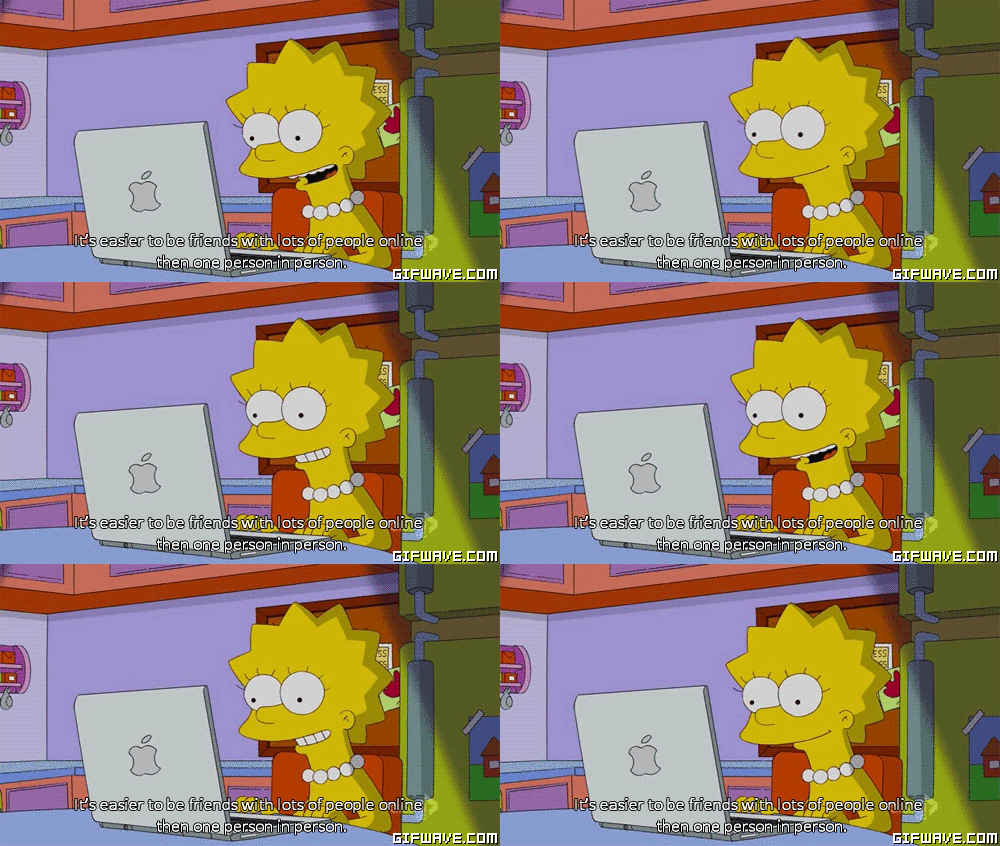
Personally, I have always questioned: If everyone is different, why would everyone have to have friends?
Think about it. Every single person is different. All seven billion. And yet poets and story tellers continue to tell you that everyone needs someone to love and everyone has to have friends.
Why?
Why can’t a person be ok with not having friends? Where did the term “hermit” come from if there aren’t people out there who prefer to be left alone?
Feeling Lonely
Everyone feels lonely sometimes. People that have more friends than they can count can feel lonely sometimes. Is it more likely for a person that has no friends? Sure, but perhaps there’s a reason for that besides the fact that they are alone.
Think about it… why would a person who prefers to be alone be lonely because they are alone? It doesn’t make sense.
In my past, when I had no friends because I was working so hard, I felt very lonely and very depressed. But it wasn’t because I had no friends.
I felt that way because I was conditioned to. Every poem or story I read, every movie I saw, every person I talked to would tell me that I had to have friends…. more so, I had to have love.
Not one person or piece of entertainment told me that it was ok to be alone. In the movies, the hermits would eventually find a family or a place to live and “finally be happy” with others. The others would either eventually commit suicide or “remain alone for the rest of their days”… ugh.
Be Yourself
Other than highschool peers, people will tell you to be yourself. That you’re unique. You’re different. There isn’t another person out there like you.
But you have to have friends, like everyone else, because everyone else does… or else you’re “beneath our notice”.
It’s very contradicting and it’s very belittling and it’s very confusing.
Sure, a lot of people without friends do not choose for it to be that way and therefore, have every right to feel lonely and a little down. But some people want to be that way… they eventually find themselves depressed and aren’t sure why.
In either case, don’t listen to Aristotle… don’t listen to the media, entertainment or poets… it’s ok to have no friends. It might be temporary. It might not. Depending on what you want.
But be yourself.
Who knows, you may think you want to be alone only to find that you really don’t… once you are confident enough to be yourself… confidence attracts… friends!
But you are still very much human, friends or not… love or not. Want it, don’t want it… it doesn’t matter, just so long as you are yourself. Friends and love, they’re out there. I won’t think any less of you for wanting them or not wanting them.
You don’t have to have friends to be happy but it certainly helps to be happy if you want to have friends.
So either way… be happy for being you.
Written on January 14, 2012 by Stuart Duncan

Filed Under: Autism, General
This is a very exciting time in the world of Autism… more and more, autistics are finding ways to have their voice heard, or give voices to those that have had no voice before. With the improvements in text to speech technology, the rapid increase in iPad apps and just general understanding in general… it’s amazing what people can do when they know what to look for.
However, this has also lead to some very heated emotions. People are getting very frustrated with each other.
Misrepresentation
John Elder Robison wrote : As the autism spectrum expands to encompass more people with progressively greater verbal and written communication skills, those individuals have begun speaking for themselves. By doing so, they are altering the public’s perception of what or who an autistic person is or may become.
From: http://jerobison.blogspot.com/2012/01/looking-forward-at-autism-spectrum.html
What he is saying is that Autism used to define a disability that left people speechless, unable to live an independent life of their own… but now, as it continues to expand, it grows to include people that are able to live independently. And that those people are advocating for Autism and giving people the wrong impression of what Autism truly looks like (intentionally or not).
Then there are those who are frustrated with people insinuating that only the verbal, independent living autistics are able to speak up… that all this time, those non-verbal autistics living with their parents or in a home were unable to advocate for themselves but would have if they could have.
Or that maybe those people that you are reading or hearing from actually are not verbal at all or living independently… even though you may have thought they were just because they are speaking out.
There are several autistics that are unable to speak or live independently and they are blogging, writing books, attending conventions and many other things, to speak on behalf of themself as well as others on the spectrum.
A great post on this: http://autistichoya.blogspot.com/2012/01/tired.html
Further still, there are those out there, parents and some professionals mostly, who maintain that while it is great that there are some who can live on their own and others who can perform these self advocacy tasks despite their verbal limitations…. that Autism is still very much a life destroying disability that renders a person a much lesser person than what they would have been otherwise.
These people feel that those attending the conventions, writing the books and otherwise “speaking up” are misrepresenting those that can not do those things. They feel they are giving people the wrong impression since there are so many that hurt themselves or others, that will never learn to read or write or speak and most certainly will never have a voice to self advocate with.
Is it really misrepresentation?
So who is right when there are so many conflicting thoughts? Who is right when people are so mad at each other that they actually get upset at the things they say?
This is simply my opinion, I wouldn’t say that you have to see things my way if you don’t want to… but I’d label all three parties as being right.
It’s not really misrepresentation when all three people are representing their particular view of the spectrum appropriately.
It is a spectrum after all and as such, there really are people who can live independently and speak perfectly fine, as well as those that can’t live independently but are still able to voice their experiences and opinions in alternate ways and then there actually are those who will never be able to do any of those things.
None of them are wrong…. except maybe in their effort to shut each other out or to try to convince others that their own view point is the only viable one that others must share.
The true misrepresentation
So if none of the referenced parties are misrepresenting the Autism spectrum and/or autistics… then they all are. Their efforts to make people think that all autistics either have a voice or don’t… their efforts to make people think that all autistics have a voice… and their efforts to make people think that all autistics lack a voice or unable to speak for each other.
Autistics have the most important voice in the Autism community, some may feel that is debatable, but it is certainly how I feel. I mean, who knows about a topic better than the people who live it?
I think it’s everyone’s goal (at least I hope it is) that every person with Autism can be a self advocate… that every child/person will be able to speak up, should they choose to, in what ever way they choose to, to advocate for themselves.
I applaud those that speak up. It’s not an easy thing to do no matter who you are.
My only suggestion, take it or leave it, is to speak together… not against each other.
Don’t dismiss a self advocate because you feel their experiences and opinions don’t represent your child or your view…. one day that may actually be your child that someone else is dismissing and that will hurt you even more.
Don’t dismiss the person living with Autism in their lives who feels their situation doesn’t mesh with yours. Chances are, it really doesn’t. Maybe their child is just fine while you advocate for ideals that don’t match up, or maybe their child never will find a voice in any manner or form and your voice only reminds them of that fact.
It is no one’s intention to hurt each other or to misrepresent each other… it is everyone’s intention to educate and inform the people that have no idea either which way.
Yes, there are some advocates that are simply wrong in the things they say. They spread misinformation and speak contrary to facts. But there are times when two parties can be right at the same time and yet wrong at the same time for trying to make people think that the other party is wrong when what they need to do is speak together.
We must educate each other, since we’re all obviously missing some essential pieces of the pie. We have to work together for that to happen. Not against each other. Only then will any of us truly qualify to try to educate everyone else.
I would love to hear from you. Can we all work together? Will it ever happen?
Written on November 1, 2011 by Stuart Duncan

Filed Under: Autism
Today is “Autistics Speaking Day“, in place of what might have been the second “Communication Shutdown Day”. Sound like quite the conflicting sort of turn of events?
Last year, a group out of Australia started “Communication Shutdown Day” on November 1st where neurotypical people (those without Autism) were to sign off from Facebook, Twitter and other social sites in an effort to better understand what it is like to be non-communicative, or unheard or… well, autistic.
With all the best intentions in the world, this idea made very little sense to most people since shutting down in order to speak out was a bit of an oxymoron and also, social sites were proving to be the first real way in which Autistics could finally have a voice in the first place.
I wrote a piece last year about why I won’t be shutting down for November 1st, as did many others.. and so, it would seem, no real effort was made to continue to the project on for a second year.
By Autistics, For Autistics
What did come of the shutdown day project, however, was a whole new day in which, autistics do the opposite of shutdown… they speak out. A day in which autistics share their struggles, celebrations, strengths, weaknesses and experiences in general with as many people that will listen.
That’s a much better use of a day, if you ask me. In fact, that would be a much better use of every day. But obviously, trying to give every day a name is a little tougher than you’d think.
Still though, a day where autistics can share with the world is a great start and far better than asking others to stop talking…. or is it?
Contradiction or merging of ideas?
Still though, when I stop and think about it… is it really that much of a contrast?
The shutdown day project asked that non-autistics stop visiting their social networks and to go silent… which all by itself really is a dumb thing to do.
However, in conjunction with “Autistics Speaking Day”… it’s starting to actually make a lot more sense to me.
If autistics can have a day where they can speak their mind, tell their tales, share their experiences and speak their mind… free of judgments or criticisms from others… well, the whole thing starts to make a lot more sense.
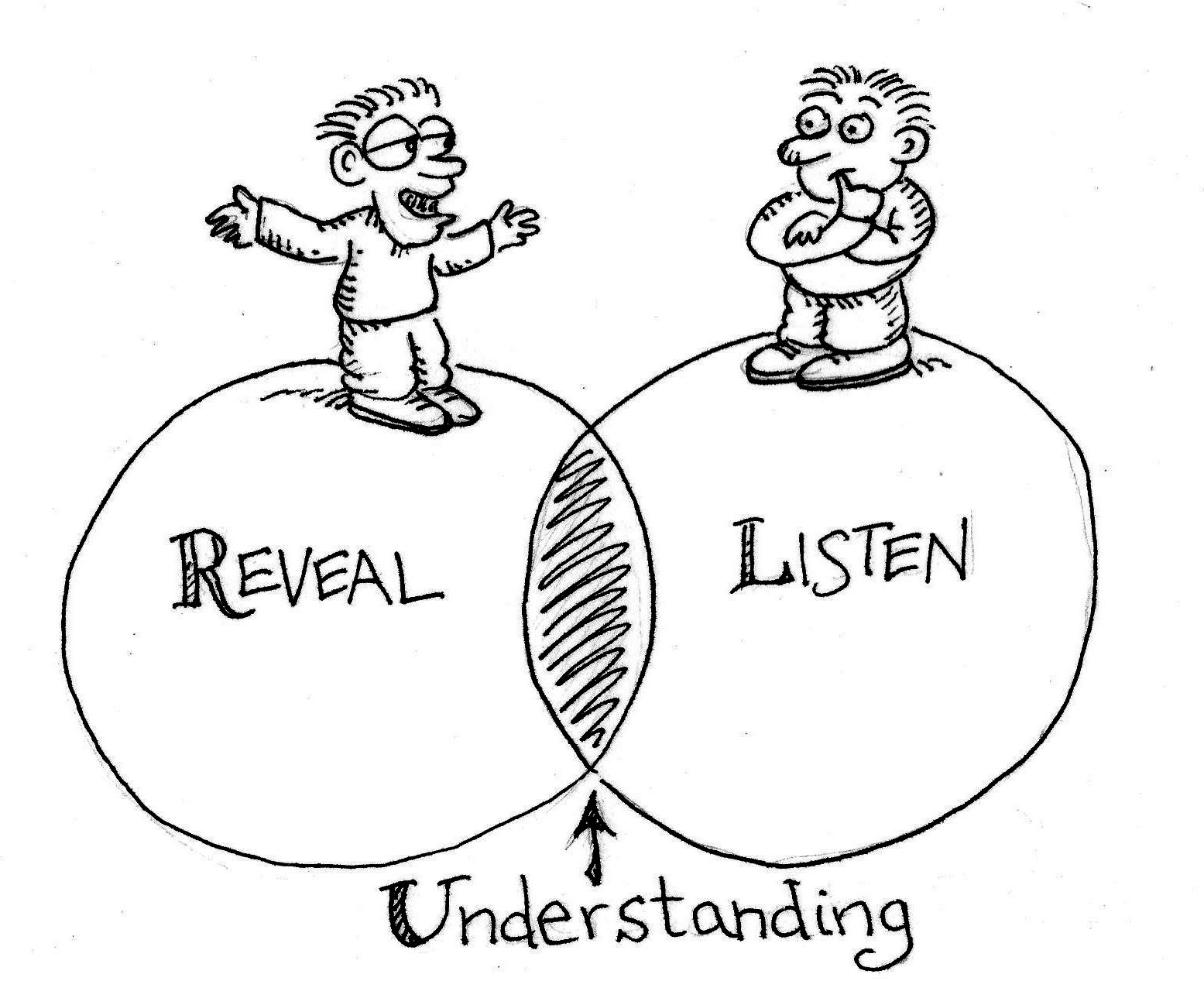
Maybe if “shutdown” was changed to “shut up and listen”, then the two days truly would be the same thing, rather than opposites. Instead of abandoning social networks, if we were encouraged to seek out social networks and find as many autistics as we can that are sharing something today and just listened rather than putting in our own 2 cents…. maybe November 1st really wouldn’t be all that different from what it was originally supposed to be… maybe it’s just an extension of it.
Perhaps if autistics make an extra, and sometimes difficult, effort to open themselves up to the world and share their experiences and thoughts on Autism, and everyone else made an effort to set aside an hour or two to seek those autistics out, and really just listened, we would finally have a day that made perfect sense.
So, if you have Autism, I encourage you to take part in “Autistics Speaking Day” today, November 1st.
And if you do not have Autism, I encourage you to seek out some autistics on Twitter, Facebook or even in good ole Google search and spend a little time reading today.
The more that is shared and the more people listen, the greater the opportunity for understanding and acceptance for all people with Autism.
Written on October 27, 2011 by Stuart Duncan

Filed Under: Autism
There has been a lot of talk lately about iPads and, to a lesser extend, some other technology that has been vastly improving the treatment methods of autistics all around the world.
Yes, autistics are finding a way to communicate using an iPad. Thanks to the hard work of some very amazing developers, a child, teen or adult with Autism can move a finger around and select emotions, objects, words or even letters on an iPad and express themselves… even though no previous method had worked for that person before.
Most people see this as a means for autistics to “come out of their shell” or to “break through the barriers of Autism”… for me, I see it as a way for us to break through our own barriers.
Intellectual Equivalent
If you’re familiar with Autism at all, I’m sure you’re familiar with the term “intellectual equivalent.” It’s used to describe the maturity level of a person that is not at the maturity level that they should be for their age.
For example, a 30 year old man that is unable to speak, use a toilet or dress himself may be considered to have the “intellectual equivalent” of a toddler.
The problem with this is that it was generally assumed that these people had very low IQ scores to also indicate this lack of intellect.
A child, that was featured in the CBS show 60 Minutes, is actually pretty smart and actually likes classical music and opera. The thing is, no one knew it.
It wasn’t until the child was able to use an iPad that they began to realize just how much he knew… and discovered his love for music.
Who’s barriers are being broken?
Is it really that child that’s breaking through his barriers? Or is he still the same child that he’s always been?
Some would say that he is, because he’s now able to communicate the things he knows and his taste in music… however, I’d argue that it’s more a case of us being able to break through our barriers.
He’s always liked opera, he’s known what a saxophone is before he used the iPad.
You see, up until now, we’ve had no way to ask the question and get a response. That’s on us, not that child. We’ve banged our heads on the wall over and over again trying to find ways to get input and output on a level that, not only could he use, but so could we.
The iPad provides that interface, not just for those autistics to communicate but for us to change the way we think.
Changing the way we think
Not only are we now able to ask in a way that many autistics can understand and get a response in a way that many autistics can make us understand… but it’s changing everything we know about “intellectual equivalent” measurements.
This child is clearly not a toddler. Not in his actual age nor in his “intellectual equivalence.” Toddlers do not know what a saxophone is.. much less view opera music as a reward. This child does.
The segment does not state what his IQ test score results would be, if they did one, but I’m fairly certain that what ever it was, is not reflective of just how much he’s able to indicate that he knows via the iPad. Do toddler level IQ scores allow a person to identify a saxophone on a screen?
Something to think about
It’s human nature to speak about a person as if they’re not even there, when it appears as though they’re not hearing what we say. Maybe not right away and certainly not intentionally, but people do it none-the-less.
The thing is, as was always suspected by some people, these children truly are taking it all in. They see it, they hear it and they feel it.
So swear words, abuse, insults, derogatory statements… all kinds of hateful and hurtful things can be taken in by these children that you may think aren’t absorbing anything at all.
Likewise, they will also be learning as you read to them, learning as you speak to them, feeling as you love them and taking in all that happens around them.
And it may be years, it may be never… but maybe, just maybe, someone will hand your child a piece of technology or an app that helps you to break through your communication barrier and your child will astound you.
So even if a doctor uses the “severe” word, even if your child scores low on an IQ test… and even if someone tells you that your child has the “intellectual equivalent” of a child or toddler… remember, those are just barriers. Once you find a way through, you may be quite surprised at what you find out.
For more on the CBS show 60 Minutes segment on Autism Apps: http://www.cbsnews.com/video/watch/?id=7385686n
If you have some ideas or would like to get involved in being able to make Autism Apps: http://hackingautism.org/